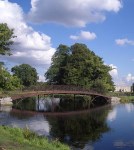
 To the auditorium of the Sainsbury Laboratory in Cambridge (the amazingly heavy door of which was clearly not designed for the demographic of the Friends of Cambridge University Botanic Garden). However, we are stalwart types, and having overcome this obstacle, we sat down, in seats considerably more comfortable than I ever experienced as an undergraduate, to learn about Lancelot Brown. Continue reading
 In my view, you can never have too much of a good thing if that thing involves the
 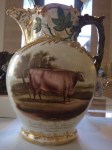 This enormous jug was made at the
 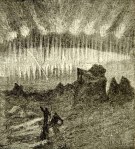 It is perhaps surprising that one of the best known U.S. Arctic explorers first felt the Call of the North in land-locked Cincinnati, Ohio. Charles Francis Hall (1821–71) was born in Vermont, and apprenticed to a blacksmith in Rochester, New York. He then ‘drifted west’ with a wife, Mercy Anne (after his death an appeal was set up in Cincinnati for his widow and two children), becoming a seal-engraver and plate-maker in the city in which, a generation earlier,
 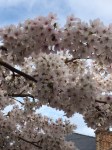 As a poet (rather than as an
  I was thinking of calling this piece ’36 Hours in s’ Hertogenbosch’, but some of those hours were spent sleeping, and anyway I then came across the fascinating information that Jeroen van Aken, aka Hieronymus Bosch, was also known as a ‘duvelmakere’, or ‘maker of devils’. This is the five hundredth anniversary of his death in 1516, and the town of s’ Hertogenbosch (‘The Duke’s Forest’, usually shortened to Den Bosch) is en fête.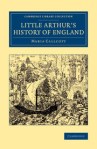

 Far be it from me to suggest that great minds work alike, but on returning from a happy expedition to photograph the species tulips in the alpine house at
 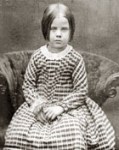 Lovers of Gwen Raverat’s memoir
 -
Search
Professor Hedgehog’s Archive
- November 2024 (1)
- August 2024 (1)
- June 2024 (1)
- January 2024 (1)
- October 2023 (2)
- July 2023 (2)
- June 2023 (2)
- May 2023 (1)
- February 2023 (1)
- January 2023 (2)
- October 2022 (2)
- August 2022 (2)
- July 2022 (3)
- June 2022 (1)
- May 2022 (1)
- April 2022 (3)
- March 2022 (2)
- February 2022 (2)
- January 2022 (2)
- November 2021 (2)
- October 2021 (1)
- September 2021 (2)
- August 2021 (1)
- July 2021 (2)
- May 2021 (1)
- April 2021 (1)
- March 2021 (2)
- February 2021 (2)
- January 2021 (2)
- December 2020 (1)
- November 2020 (2)
- October 2020 (2)
- September 2020 (2)
- August 2020 (2)
- July 2020 (3)
- June 2020 (2)
- May 2020 (2)
- April 2020 (3)
- March 2020 (5)
- February 2020 (6)
- January 2020 (4)
- December 2019 (1)
- November 2019 (1)
- October 2019 (5)
- September 2019 (6)
- August 2019 (2)
- July 2019 (4)
- June 2019 (3)
- May 2019 (5)
- April 2019 (3)
- March 2019 (5)
- February 2019 (3)
- January 2019 (4)
- December 2018 (3)
- November 2018 (6)
- October 2018 (3)
- September 2018 (5)
- August 2018 (4)
- July 2018 (3)
- June 2018 (3)
- May 2018 (5)
- April 2018 (6)
- March 2018 (5)
- February 2018 (4)
- January 2018 (4)
- December 2017 (2)
- November 2017 (2)
- October 2017 (3)
- September 2017 (5)
- August 2017 (2)
- July 2017 (5)
- June 2017 (4)
- May 2017 (4)
- April 2017 (6)
- March 2017 (4)
- February 2017 (4)
- January 2017 (5)
- December 2016 (3)
- November 2016 (4)
- October 2016 (4)
- September 2016 (6)
- August 2016 (5)
- July 2016 (6)
- June 2016 (5)
- May 2016 (6)
- April 2016 (8)
- March 2016 (5)
- February 2016 (7)
- January 2016 (7)
- December 2015 (7)
- November 2015 (9)
- October 2015 (9)
- September 2015 (9)
- August 2015 (9)
- July 2015 (13)
- June 2015 (12)
- May 2015 (7)
- April 2015 (6)
- March 2015 (5)
Tags
- abolition
- Apple Day
- Archaeology
- art
- autumn
- botanic gardens
- botany
- British Museum
- cabinet of curiosities
- Cambridge
- Cambridge University Botanic Garden
- Canaletto
- ceramics
- Charles Darwin
- Charles Jones
- Chelsea Physic Garden
- Christmas
- churches
- Daniel Solander
- EdUKaid
- Exploration
- Fitzwilliam Museum
- Florence
- flower painting
- flower paintings
- folklore
- gardening
- Garden Museum
- gardens
- herbals
- herbaria
- Hieronymus Bosch
- holidays
- Italy
- Japan
- John Martyn
- John Ruskin
- knitting
- Linnaeus
- Linnean Society
- London
- London churches
- Lucca
- Mill Road Winter Fair
- mosaics
- Mrs Delany
- Museum of Cambridge
- museums
- Napoleon
- natural history
- painting
- paintings
- Palermo
- plant of the month
- plants
- printing
- retirement
- Royal Society
- Sicily
- Sir Hans Sloane
- Sir J.E. Smith
- Sir Joseph Banks
- slavery
- Spitalfields
- spring
- still life
- taxonomy
- The Gentle Author
- Thomas Bewick
- Titian
- Torcello
- trees
- Venice
- Veronese
- Worcestershire
Categories
 Professor Hedgehog's Journal