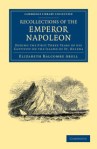
 I say St Helena, you say Napoleon, or possibly vice versa. It’s undoubtedly the case that this tiny and remote island is most famous because of its reluctant and ex-imperial guest between 1815 and his death in 1821. Large numbers of books have been written about Buonaparte’s time on the island, from reminiscences by people (included a young girl, Betsy Balcombe) who were there, to later speculations on the cause of his death: poisoning by arsenic in the wallpaper got a mention, I seem to remember. Continue reading
-
Search
Professor Hedgehog’s Archive
- November 2024 (1)
- August 2024 (1)
- June 2024 (1)
- January 2024 (1)
- October 2023 (2)
- July 2023 (2)
- June 2023 (2)
- May 2023 (1)
- February 2023 (1)
- January 2023 (2)
- October 2022 (2)
- August 2022 (2)
- July 2022 (3)
- June 2022 (1)
- May 2022 (1)
- April 2022 (3)
- March 2022 (2)
- February 2022 (2)
- January 2022 (2)
- November 2021 (2)
- October 2021 (1)
- September 2021 (2)
- August 2021 (1)
- July 2021 (2)
- May 2021 (1)
- April 2021 (1)
- March 2021 (2)
- February 2021 (2)
- January 2021 (2)
- December 2020 (1)
- November 2020 (2)
- October 2020 (2)
- September 2020 (2)
- August 2020 (2)
- July 2020 (3)
- June 2020 (2)
- May 2020 (2)
- April 2020 (3)
- March 2020 (5)
- February 2020 (6)
- January 2020 (4)
- December 2019 (1)
- November 2019 (1)
- October 2019 (5)
- September 2019 (6)
- August 2019 (2)
- July 2019 (4)
- June 2019 (3)
- May 2019 (5)
- April 2019 (3)
- March 2019 (5)
- February 2019 (3)
- January 2019 (4)
- December 2018 (3)
- November 2018 (6)
- October 2018 (3)
- September 2018 (5)
- August 2018 (4)
- July 2018 (3)
- June 2018 (3)
- May 2018 (5)
- April 2018 (6)
- March 2018 (5)
- February 2018 (4)
- January 2018 (4)
- December 2017 (2)
- November 2017 (2)
- October 2017 (3)
- September 2017 (5)
- August 2017 (2)
- July 2017 (5)
- June 2017 (4)
- May 2017 (4)
- April 2017 (6)
- March 2017 (4)
- February 2017 (4)
- January 2017 (5)
- December 2016 (3)
- November 2016 (4)
- October 2016 (4)
- September 2016 (6)
- August 2016 (5)
- July 2016 (6)
- June 2016 (5)
- May 2016 (6)
- April 2016 (8)
- March 2016 (5)
- February 2016 (7)
- January 2016 (7)
- December 2015 (7)
- November 2015 (9)
- October 2015 (9)
- September 2015 (9)
- August 2015 (9)
- July 2015 (13)
- June 2015 (12)
- May 2015 (7)
- April 2015 (6)
- March 2015 (5)
Tags
- abolition
- Apple Day
- Archaeology
- art
- autumn
- botanic gardens
- botany
- British Museum
- cabinet of curiosities
- Cambridge
- Cambridge University Botanic Garden
- Canaletto
- ceramics
- Charles Darwin
- Charles Jones
- Chelsea Physic Garden
- Christmas
- churches
- Daniel Solander
- EdUKaid
- Exploration
- Fitzwilliam Museum
- Florence
- flower painting
- flower paintings
- folklore
- gardening
- Garden Museum
- gardens
- herbals
- herbaria
- Hieronymus Bosch
- holidays
- Italy
- Japan
- John Martyn
- John Ruskin
- knitting
- Linnaeus
- Linnean Society
- London
- London churches
- Lucca
- Mill Road Winter Fair
- mosaics
- Mrs Delany
- Museum of Cambridge
- museums
- Napoleon
- natural history
- painting
- paintings
- Palermo
- plant of the month
- plants
- printing
- retirement
- Royal Society
- Sicily
- Sir Hans Sloane
- Sir J.E. Smith
- Sir Joseph Banks
- slavery
- Spitalfields
- spring
- still life
- taxonomy
- The Gentle Author
- Thomas Bewick
- Titian
- Torcello
- trees
- Venice
- Veronese
- Worcestershire
Categories
 Professor Hedgehog's Journal